Great Ocean Road: normal or reverse? Honestly, the answer is drive it in reverse (west → east) if you want better views, less stress and easier stops.
Hi, I’m Paul, and I’ve been showing people around the Great Ocean Road for years now. I’ve seen it go both ways so many times, and I have to say that going the reverse way ( ie west to east ) nearly always gives you a better time – fewer crowds, cleaner views and a much more relaxed trip.
Contents
- 0.1 Why Direction Changes Your Entire Experience
- 0.2 Reverse Route: How To Drive It Like A Local
- 0.3 Suggested Reverse Flow (Realistic Timing)
- 0.4 Why This Route Wins
- 0.5 A Real Moment From The Road
- 0.6 When The Classic Direction Still Makes Sense
- 0.7 Timing, Traffic, And What Actually Happens On The Road
- 0.8 Logistics That Actually Matter (Not Brochure Fluff)
- 0.9 Matching The Route To Your Timeframe
- 0.10 If You Only Have a Day
- 0.11 If You’ve Got 2-3 Days
- 0.12 Quick Decision Guide
- 0.13 Final Takeaway: Don’t Let Direction Ruin The Drive
- 1 FAQ
Why Direction Changes Your Entire Experience
The truth is this road isn’t just pretty to look at – it’s also narrow, winding and pretty busy. And it’s the direction you go in that really makes all the difference between enjoying it or getting stuck behind a heap of traffic.
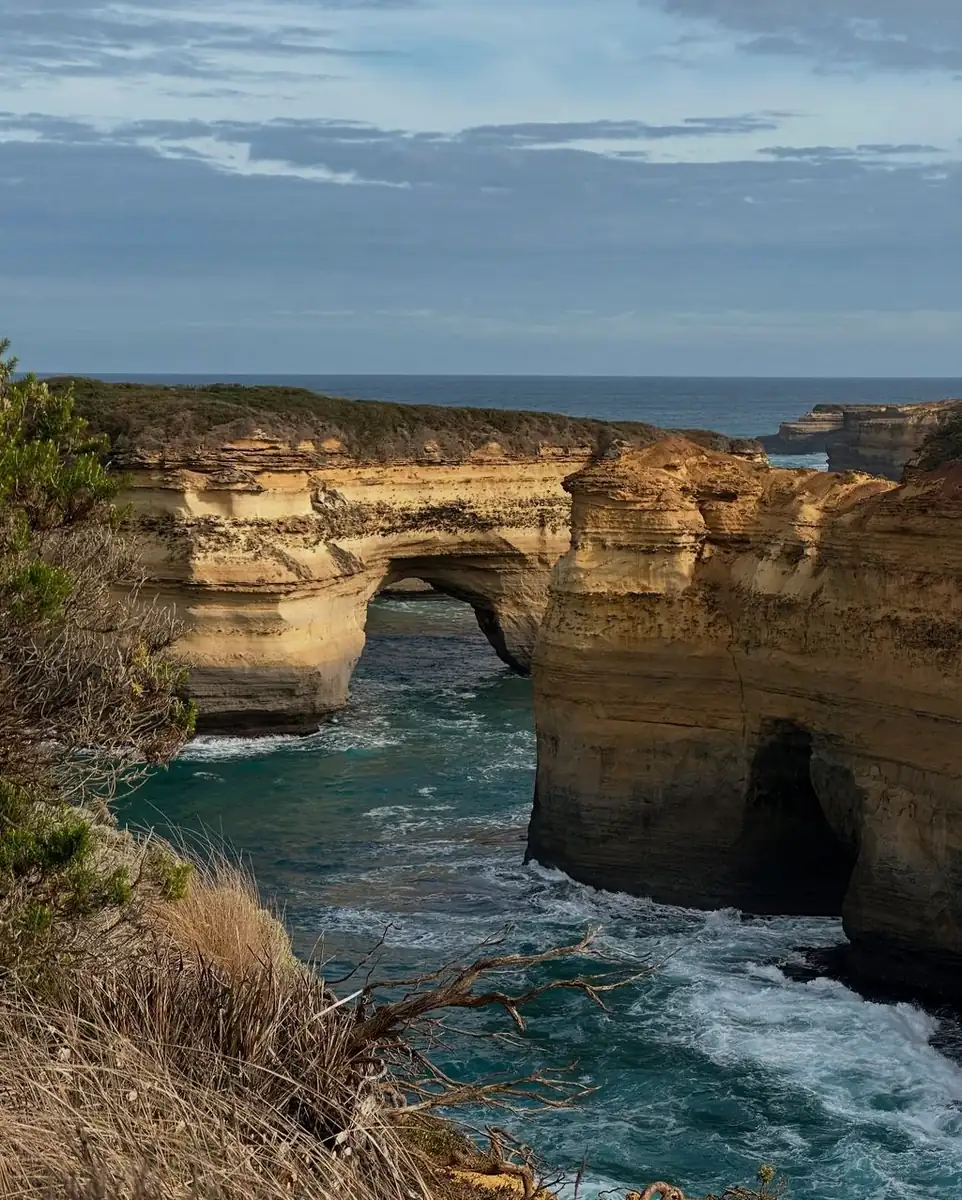
Driving from Melbourne to the west puts you in the inside lane (which is not where you want to be), and that means you are constantly trying to cut across traffic to get to views like Loch Ard Gorge or the Twelve Apostles – with buses and caravans and other drivers to contend with too its more of a chore than a drive along the coast.
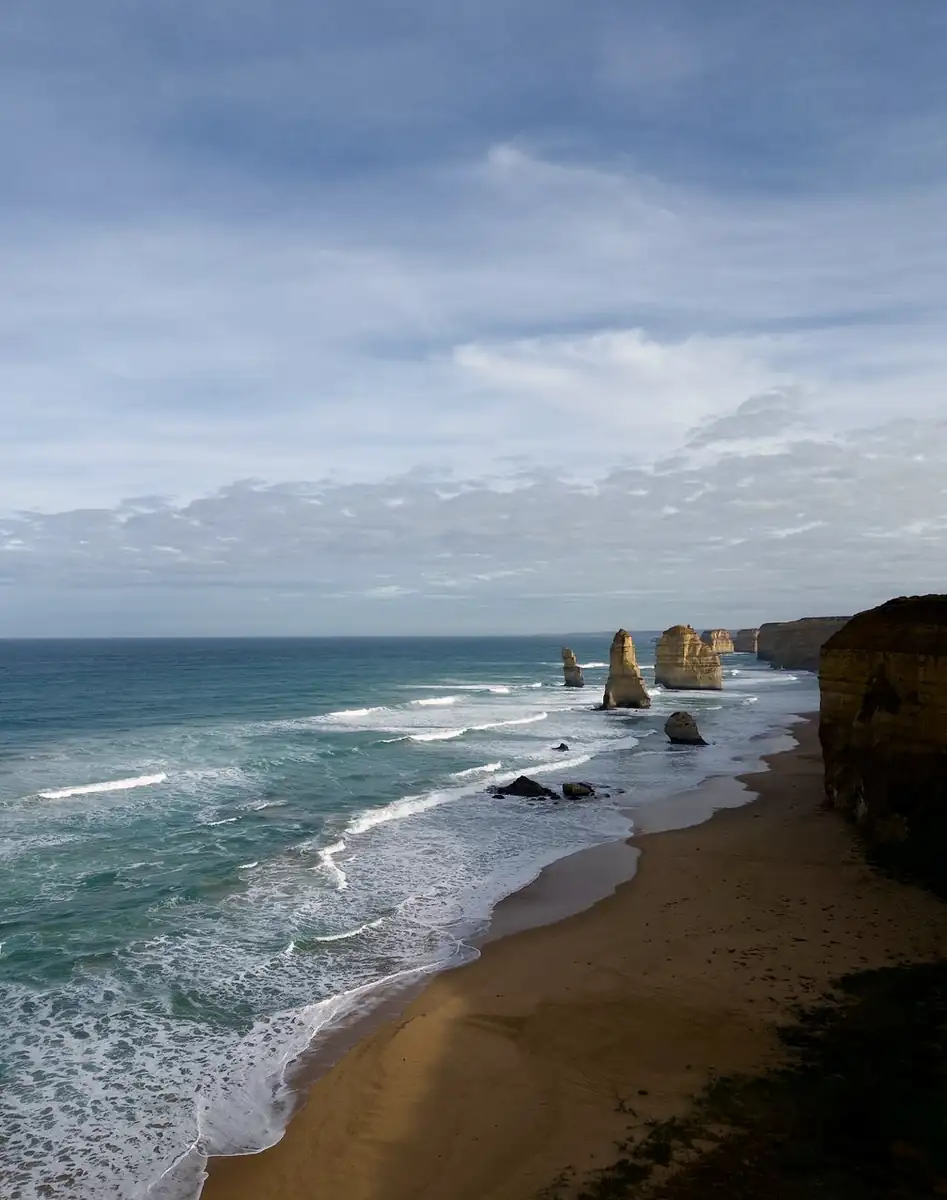
But flip it around and head west to east, and the whole thing changes. The Southern Ocean is right there beside you, and stopping off at places like Gibson Steps, London Arch, and Razorback Lookout is no hassle at all – you’re not fighting the road, you’re just going with the flow.
I’ve seen so many people turn up after doing the “normal” way round, only to drive the same road again in reverse and just not believe how different it feels like a completely different place.
Reverse Route: How To Drive It Like A Local
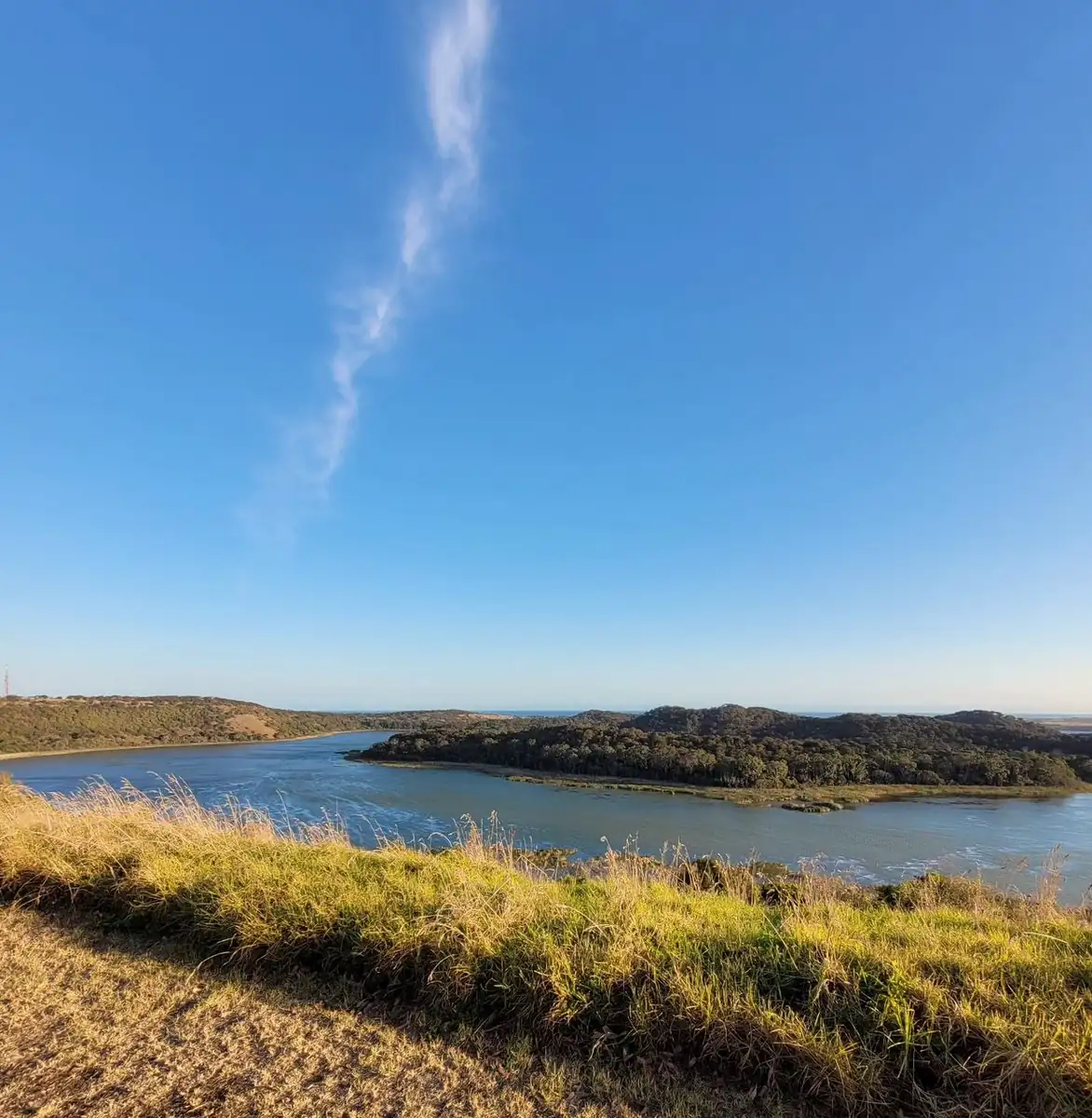
Driving inland first might sound a bit odd, but I reckon it’s the best way to see the coast.
Start in Melbourne and head towards Warrnambool or Tower Hill, and then just keep working your way along the Shipwreck Coast and back through the Otways. This way of doing it just fits better with the coastline.
Suggested Reverse Flow (Realistic Timing)
| Section | Key Stops | What You’ll Experience |
|---|---|---|
| Melbourne → Warrnambool | Tower Hill | Quiet inland run, Australian wildlife |
| Warrnambool → Port Campbell | Mutton Bird Island, Port Campbell | Entry into Shipwreck Coast |
| Port Campbell → Apollo Bay | Loch Ard Gorge, Twelve Apostles, Gibson Steps, London Arch | Iconic coastal section |
| Apollo Bay → Torquay | Great Otway National Park, Kennett River | Otway Rainforest, koalas, eucalyptus forests |
Total: approximately 525km
Time: 10-12 hours, with plenty of time to stop and breathe along the way
Why This Route Wins
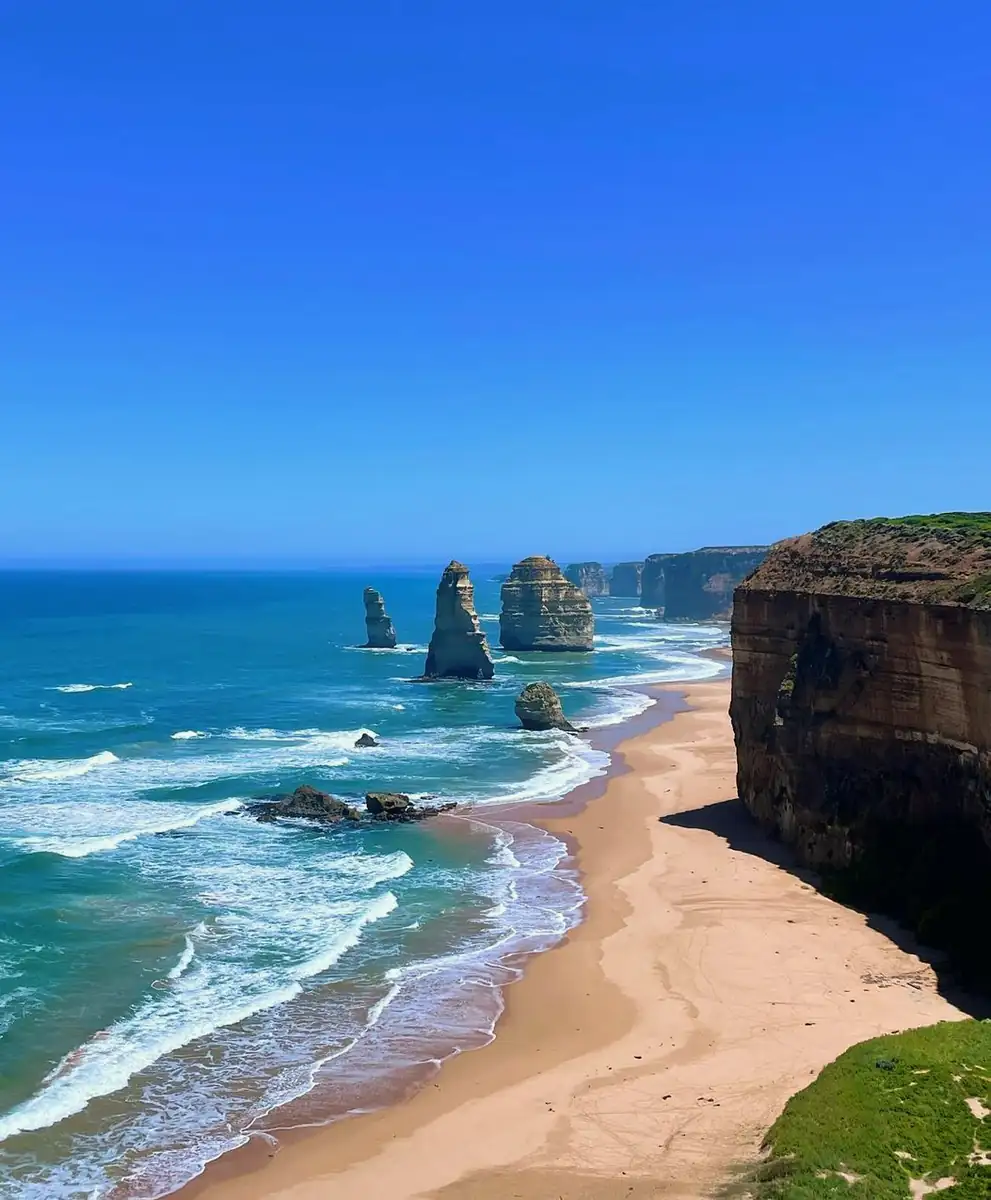
You get to visit Port Campbell National Park highlights without the peak season crowds.
The scenic stops feel like natural breaks, not stressful pauses.
You get the bonus of finishing this Great Ocean Road adventure closer to Melbourne.
Many top operators, including Autopia Tours, plan their itineraries this way to dodge congestion and make the whole Great Ocean Road Experience a whole lot better.
A Real Moment From The Road
One peaceful afternoon near Kennett River on one of my. My favourite Great Ocean Road trips lay Mylaid-back an Australian koala just sitting above eye level, totally chill. No crowds, no rush. Just the difference that choosing the right direction makes.
When The Classic Direction Still Makes Sense
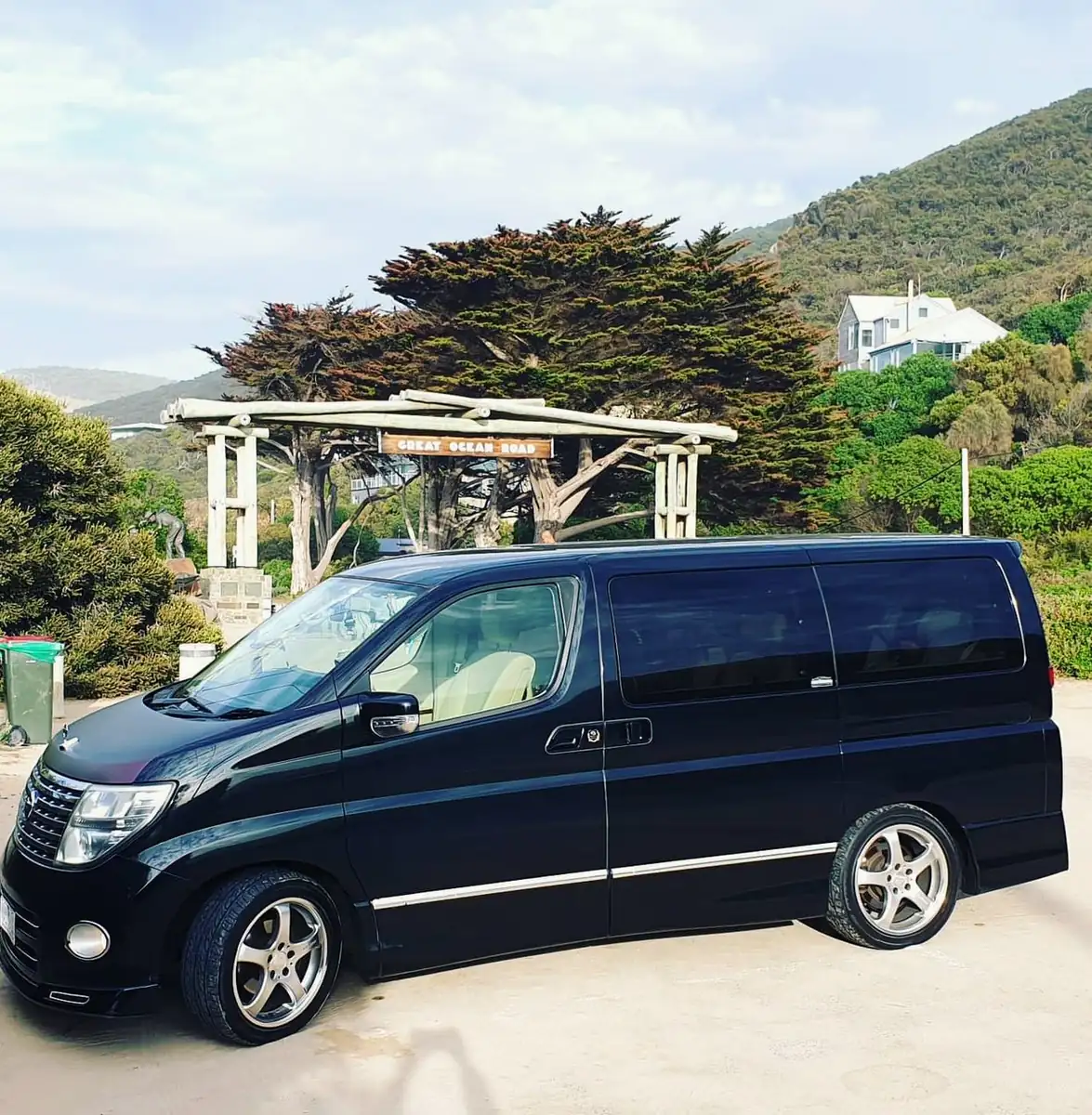
You know, there’s absolutely nothing wrong with driving east to west – it’s just better suited to a different kind of trip.
If you’ve got two or three days to play with, the traditional route is a more gradual introduction. You ease in via the Great Ocean Road Memorial Arch, cruise past Bells Beach, and take your time along the coast.
You’ll pass through Louttit Bay in Lorne, wind your way into the Great Otway National Park, and check out spots like Maits Rest or Melba Gully in the Otway Rainforest. It’s a more laid-back, layered experience.
But, of course, the trade-off is that by the time you get to the real icons – Loch Ard Gorge, London Arch, and the 12 Apostles – it’s usually peak traffic, and the car parks are chock-a-block. That takes a bit of the edge off the experience.
Which is why this direction works best when you’re not in a rush.
Timing, Traffic, And What Actually Happens On The Road
The Great Ocean Road might look simple on paper, but in reality, timing is everything.
Tourism figures indicate that around 2.8 million visitors a year travel parts of this route, with the heaviest activity around Port Campbell National Park. And that’s where the traffic starts to slow down a bit.
Peak congestion almost always hits:
- Late morning to mid-afternoon
- School holidays and summer weekends
- Lunchtime in Apollo Bay
Driving in the opposite direction lets you miss most of that by visiting the key sites early or late in the day.
And then there’s the weather to contend with. The Southern Ocean can turn on a sixpence – calm as a lamb one minute, thoroughly miserable the next. In winter, roads through the Otways can be slippery after rain, while summer brings heat, loads of people, and the occasional risk of bushfire.
Logistics That Actually Matter (Not Brochure Fluff)
This is where trips often go haywire – not because of the road, but because of half-baked planning.
First up, getting the fuel right is a biggy. Petrol stations are few and far between, so fill up before you’re stuck with an empty tank – Geelong, Anglesea and Apollo Bay are solid bets.
But driving conditions here demand your attention. The road’s narrow, with tighter-than-average bends and not much room to overtake – and to make matters worse, cyclists and tour buses are sharing the road. Plus, at dawn and dusk, wildlife is active on the roads, so hang loose.
Costs are pretty straightforward:
- Major lookouts: it’s free to take in the view
- Eats along the coast: about $20-$35 AUD for a meal
- Optional experiences (like a guided walk or something) – reckon around $20-$40 AUD
A few essentials make a world of difference:
- Offline maps (signal’s gonna drop out quick)
- Layers (weather’s a real mood swing)
- Water and snacks (you don’t want to get caught out)
- Travelling insurance – especially if you’ve got a longer trip planned or are worried about cancellation.
Matching The Route To Your Timeframe
Let your schedule call the shots, not your habits.
If You Only Have a Day
Reverse direction, your friend.
Simple Plan:
- Get an early start
- Inland to Warrnambool first
- Hit the Shipwreck Coast then
- Head back along the coast
It’s amazing how many efficient Great Ocean Road tour from Melbourne get their timing right this way.
If You’ve Got 2-3 Days
Going the normal way works better:
- Day One: Melbourne to Apollo Bay
- Day Two: Apollo Bay to Warrnambool
If you’ve got time, you can cut through the Yarra Valley on the way back
Quick Decision Guide
- Want fewer crowds? Reverse
- Want the best views possible? Reverse
- Doing a day trip from Melbourne? Reverse
- Travelling on the cheap? Normal
- Hate long drives inland? Normal
Final Takeaway: Don’t Let Direction Ruin The Drive
Great Ocean Road: Normal or reverse? The truth is, reversing gives most people a better, more chill, more rewarding trip.
Whether you’re planning your own adventure or jumping on one of the many Great Ocean Road tours, it’s the direction that sets the tone. I’ve seen rushed, crowded trips – and I’ve seen quiet, unforgettable ones.
FAQ
Is reverse really better for views?
Yeah, it is. You’re on the ocean side of the road, so you can pull over whenever you like without having to worry about traffic.
Can I still see everything going the normal way?
You can, but it’s harder to pull over and see the sights because it’s more crowded.
Are there any entry fees along the Great Ocean Road?
Most major sites, like the Apostles, are free; some guided or private attractions may charge a small fee.
Is it safe for first-time drivers?
Yeah, it’s fine, but just take your time. The road’s winding and the weather can change quickly.
Do I need a tour, or can I just self-drive?
Either’s good. Self-driving offers flexibility, but tours can provide a guide and take the stress out of planning.