Is it safe to swim in the ocean in Northern Australia? Crocs vs Stingers – the lowdown – okay, I’m the guy who’s been doing this for a while, Paul. Basically, the answer is yes, you can swim, but only in the right places at the right time, with your eyes wide open, and a brain that’s switched on.
I’ve been leading travellers through the Top End and Far North Queensland for years now, and I’ve seen how quickly a decision can go pear-shaped. This bit of coastline of Australia is pretty laid back if you treat it with respect – but make one mistake, and it’ll slap you down. Hard.
Contents
- 1 Northern Australia Isn’t for Casual Swims
- 2 Guest on the Northern Coast
- 3 Marine Stingers: Hidden Danger
- 4 Where It Makes Sense To Take the Plunge
- 5 The Lowdown on Reading the Beach
- 6 Sharks: Not the Main Concern
- 7 Timing Your Swim Matters
- 8 Practical Ways to Stay Safe
- 9 The Other Stuff That Can Catch You Off Guard
- 10 Why Experience and Guidance Matter
- 11 What People Still Get Wrong
- 12 The Final Word From Paul
- 13 FAQ
- 13.1 Is swimming in the water around Darwin generally advised?
- 13.2 Do those netted enclosures make a real difference?
- 13.3 Are you going to encounter crocs on every corner?
- 13.4 Do jellyfish pose a serious threat every year during the warmer months?
- 13.5 Are those controlled swimming areas the best option then?
Northern Australia Isn’t for Casual Swims
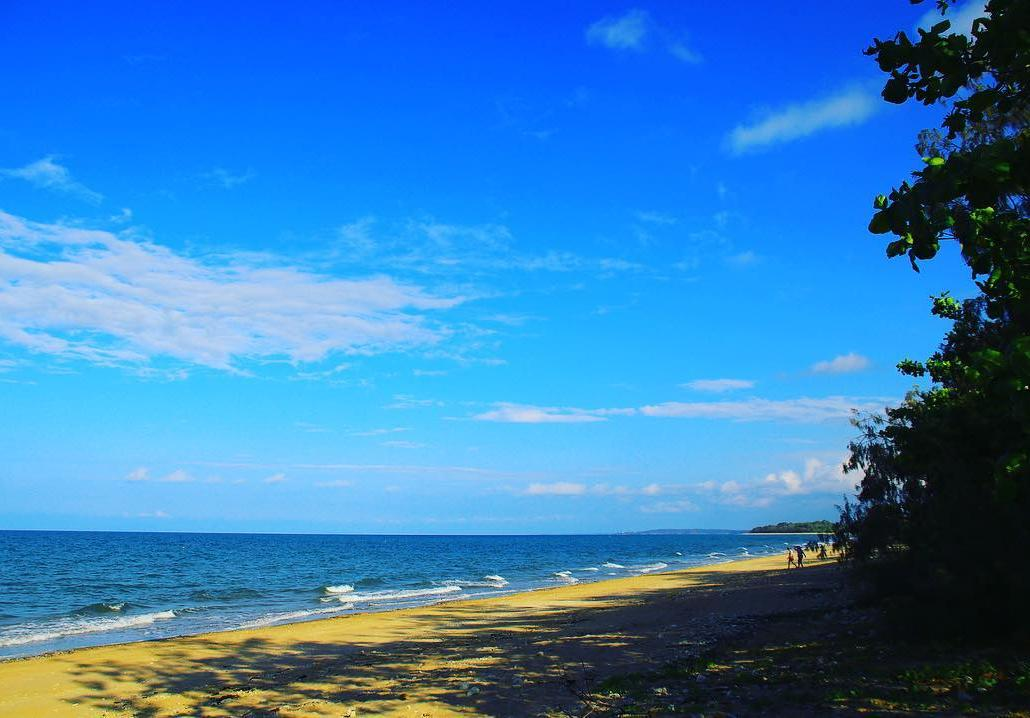
Don’t get me wrong, it looks pretty inviting – the water’s warm, often looks like glass, and you can almost smell the BBQ. But the thing is, this part of the coast is a bit of an oddball when it comes to swimming. You won’t find surf lifesavers patrolling the beach, flags waving, or signs to tell you where it’s safe to swim as you would further south. And even when you do find a spot to swim, it’s not always the most obvious one – like at Mindil Beach, for example. Local knowledge is key here, and that should give you a hint – locals don’t swim in the northern waters for a reason.
Across all of Australia’s wildlife tourism, you hear the same message over and over – northern waters demand you to be aware, not make assumptions.
Guest on the Northern Coast
When it comes to swimming safety up here, there’s one critter that’s top of the list – crocodiles. No point beating around the bush, they’re a given.
Saltwater crocs are all over the place – they can turn up anywhere, between Darwin Harbour, mangrove areas, estuaries and even open beaches. They don’t stick to one spot, and you won’t get any sort of warning from them. They just turn up.
You’re unlikely to find a spot where you can swim without being reminded by a warning sign or a sign about access to the beach. Every now and then, you might see a crocodile fence, but even then, that’s the exception, not the rule.
And then there’s the freshwater crocodile – they might not be as aggressive, but don’t worry about ’em too much either. To be honest, most people I meet can’t tell the difference between the two, so the safest approach is to steer clear if there’s even a chance a croc is around.
I still recall this spot near Darwin Harbour where the water looked like a millpond – flat, crystal clear, nothing moving – and some bloke asked if it was okay to wade in because he just wanted to take a little dip. The thing is, just a few meters away, there was a warning sign about a recent Saltwater crocodile sighting. It’s dead simple to misjudge the situation – trust me, I’ve seen it happen.
Marine Stingers: Hidden Danger
Even when there’s no crocodile in sight, marine stingers take centre stage as the biggest worry during those warmer months.
From mid-October to the start of May, the water gets invaded by jellyfish – including those notorious box jellyfish and the tiny but deadly Irukandji. These aren’t just annoying little critters that will leave a minor rash – they are, in fact, among the most hazardous venomous sea creatures lurking off Australia’s shores.
Box jellyfish can dish out some pretty nasty stings that’ll need an ambulance ASAP. Irukandji, on the other hand, are small but are infamous for the debilitating pain and some pretty serious symptoms they cause.
That’s why you’ll see stinger nets set up at certain beaches and the travelling lifejackets and wetsuits some swimmers wear. These are not just some extra options – they are a standard part of beach safety protocol during stinger season.
When our Wildlife Tours teams work their way across northern Queensland, we are always planning water activities around the jellyfish situation. If the risk level goes up, we don’t take any chances – we change the plan and do something different.
Where It Makes Sense To Take the Plunge
You don’t need to go dry altogether – you just need to pick your swimming spot carefully.
There are places where they keep a close eye on the jellyfish situation and manage the risks so swimming can actually become a safe option.
| Location Type | What You’ll Notice | Practical Risk Level |
| Patrolled beaches | Surf life saving patrols, beach safety flags | Moderate |
| Netted enclosures | Stinger nets, controlled entry points | Lower |
| Public lagoons | No crocs, no stingers, managed water | Very Low |
| Resort swim zones | Regular checks and safety oversight | Low |
In Darwin, the reality’s pretty clear cut: most locals prefer to avoid swimming in the ocean & instead head to lagoons or pools. Mindil Beach might be packed for sunset, but you won’t even see a splash of swimming going on – and that’s no accident.
The Lowdown on Reading the Beach
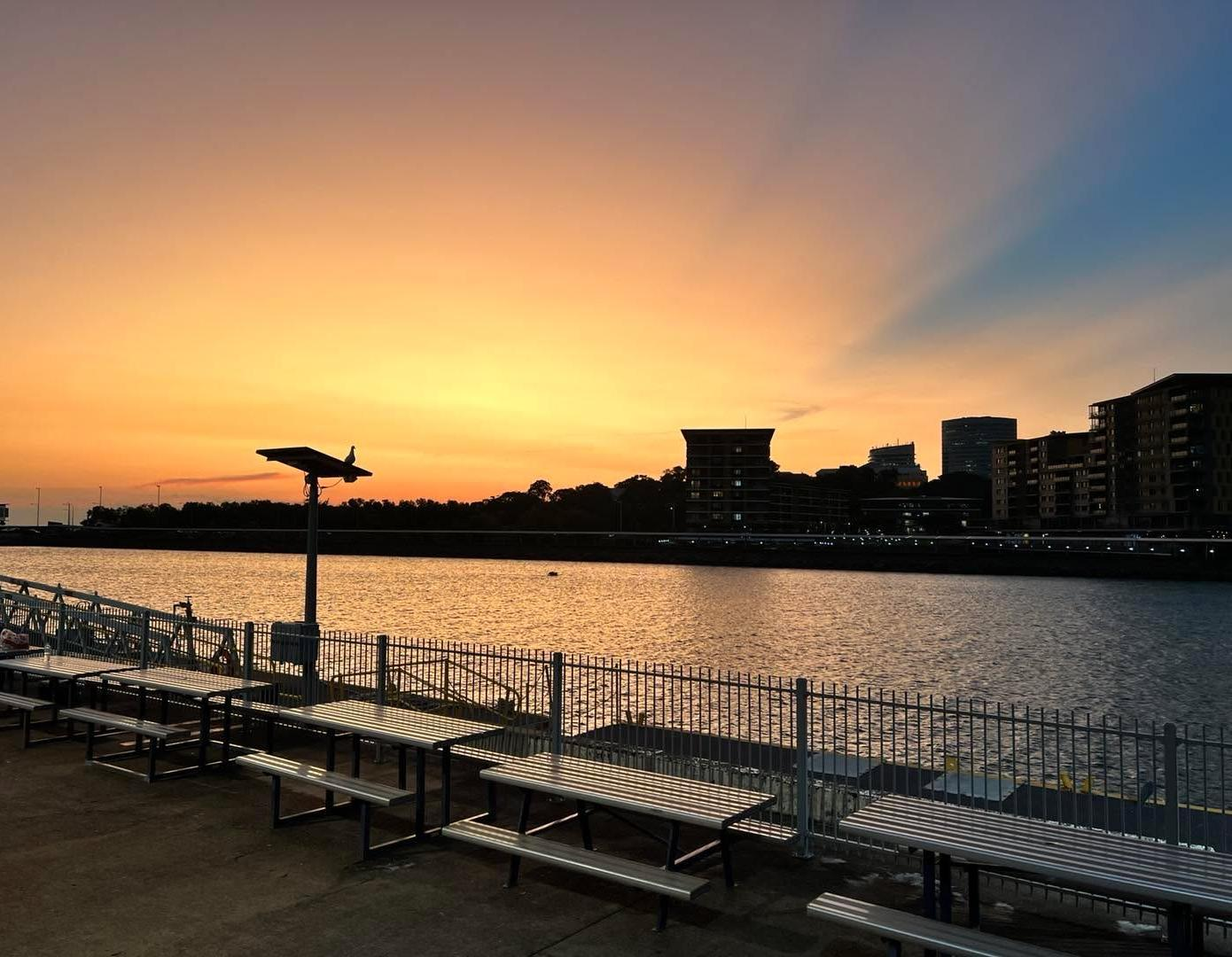
Up north, it’s the locals’ mantra: pay attention to your surroundings.
Safety signs, warning signs and the beach access signs are all there for a good reason – and they often highlight recent croc activity, stinger risks, or changing conditions.
If you get the chance to hit a beach with red & yellow flags or beach safety flags, stick within the flags. That’s where the keeping an eye out for you.
Checking out apps like Beachsafe beforehand is a good idea, too. Conditions can change in an instant depending on the weather, swell, tide and seasonal patterns.
Sharks: Not the Main Concern
Sharks do turn up in Australian waters, and there are the odd shark hazard alerts thrown in, but in northern waters, they’re not anything to lose sleep over.
The White Shark and the Great white aren’t that common up north – and when they are, they are in the southern regions. Shark nets are hardly ever used in tropical northern areas, cos crocs and stingers are what you really need to look out for.
Don’t get me wrong – sharks are definitely present – but they shouldn’t be what’s keeping you up at night.
Timing Your Swim Matters
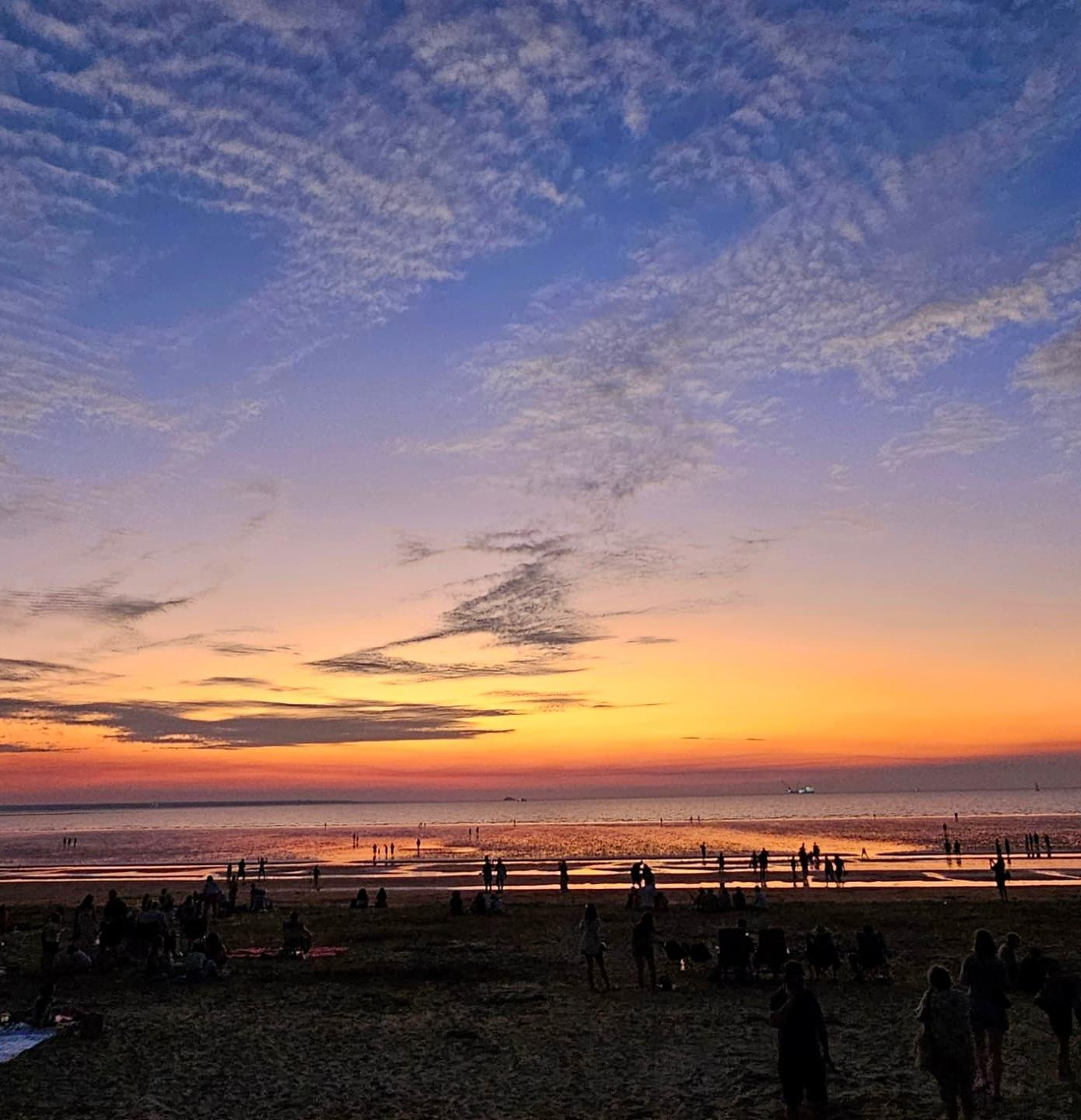
Northern Australia has only two distinct seasons, and these seasons significantly impact safety.
In the dry season, conditions are a lot more stable. Marine stingers are less common, visibility is better, and you’ve got better access to the water. It’s the best time for doing some controlled ocean swimming – although crocodile awareness still applies.
But in the wet season, everything goes out the window. Stinger populations go up, flooding can push crocs into new areas, and things just get a lot less predictable. This is when most swimming is pretty much limited to stinger nets, lagoons or pools.
Practical Ways to Stay Safe
Forget all the complicated rules – it’s just a few simple habits that keep you out of trouble.
First off, make sure you check the signage before you get in the water. If you see anything about croc hazard or recent sightings, don’t try to second-guess it – believe what it says.
Avoid areas with mangrove shores, river mouths & murky water – these are just prime croc zones.
Stick to daylight swimming and avoid dawn or dusk when wildlife is on the move.
And if it’s stinger season, wear a stinger suit. It’s a pretty simple step & it can make a huge difference.
And always keep an eye on the conditions – even when the water looks calm – it can all change in an instant.
The Other Stuff That Can Catch You Off Guard
Northern travel isn’t just about the sea life – it’s also about what’s lurking on land.
Snake bites can turn up in coastal scrub just as easily as in the bush. Mosquitoes are relentless, so don’t even think about showing up without some decent insect spray. And let’s not forget the sun – it’s bloody intense, so sun protection is not a suggestion, it’s a necessity.
And then there’s the issue of emergency services. In remote areas, help is not just a phone call away – which makes preparation more than just a good idea.
But that’s all part and parcel of the wildlife tourism scene in Australia. It’s not always easy, but it can be incredibly rewarding if you put in the work.
Why Experience and Guidance Matter
The best trips up north don’t rely on some hunch or a bit of luck. No, they’re the ones where travellers know what they’re doing.
Typically, these are the ones who do their research, follow local advice, and travel with a guide who knows their stuff. They stick to places they know are safe, get themselves some decent travel insurance, and don’t worry if something goes wrong.
Working with outfits like Wildlife Tours, we don’t just cross our fingers and hope for the best – we’re constantly checking the conditions and adjusting our plans to match.
What People Still Get Wrong
One of the things that catches people out is thinking that calm water is safe water. Up north, calm water can actually be the perfect hunting ground for crocodiles.
Then there’s the mistake of ignoring the signs – just because a beach looks untouched and beautiful doesn’t mean it’s safe to visit. And finally, there’s the old favourite: staying close to shore because you’re worried about the water getting too deep. Well, that’s exactly where crocodiles love to strike.
The Final Word From Paul
Northern Australia is an absolute gem – wild, unpredictable, and a true adventure – but it’s most definitely not a place to take unnecessary risks.
You don’t have to avoid the water entirely; what you need to be is a bit more discerning about where you go and when.
Pick the right spots, pay attention to the signs and get the lowdown from the locals. Don’t be afraid to ask questions either.
Don’t be afraid to ask questions either.
And if something just doesn’t feel right? Don’t push your luck – just pull out and find a better option somewhere else.
FAQ
Is swimming in the water around Darwin generally advised?
No way. Most of the coastal areas around Darwin are pretty much off-limits for swimmers because of crocs and those nasty stingers that come out in the warmer months.
Do those netted enclosures make a real difference?
You bet they do. If people look after them and use them properly, they can make a netted enclosures difference to their safety.
Are you going to encounter crocs on every corner?
Actually, sightings are pretty common, but incidents are super rare. And that’s largely because most people take the warnings seriously.
Do jellyfish pose a serious threat every year during the warmer months?
Unfortunately yes. So you do need to keep an eye on the weather and know when to steer clear of the water.
Are those controlled swimming areas the best option then?
Absolutely. Places like controlled swimming areas and managed swim zones are the safest bet if you want to swim in northern Australia.