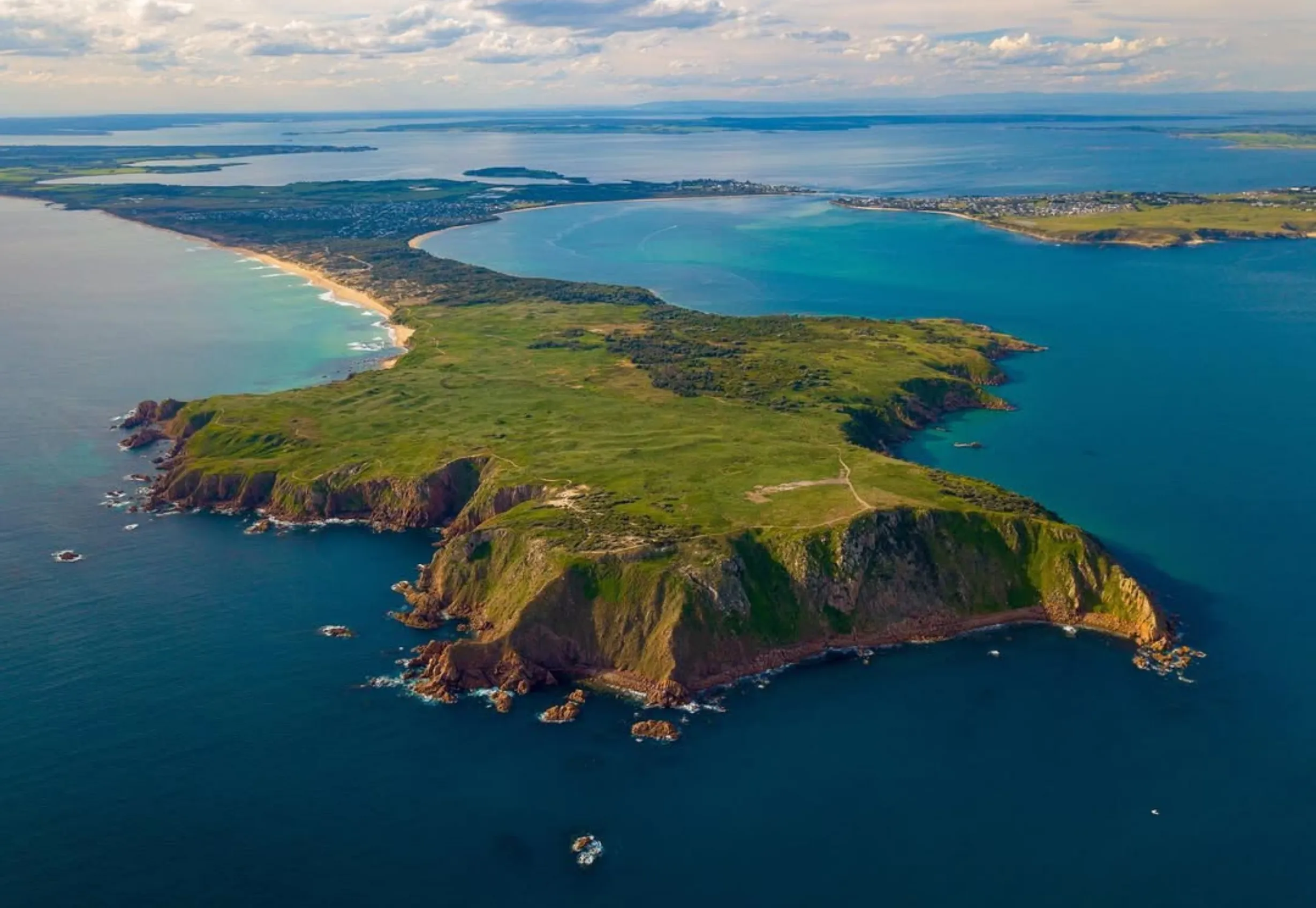
Phillip Island, a beautiful coastal town in Victoria, Australia, is famous for its beaches, views and wildlife, including the Penguin Parade and Fairy Penguins during their breeding season. While the island is popular all year round, many visitors are surprised how cold it feels even in the summer.
This article looks at the weather conditions, average temperature and what makes Phillip Island colder than expected, whether you’re visiting Cape Woolamai, Smiths Beach, Flynns Beach or taking a leisurely walk at Phillip Island Nature Parks. If you’re planning a Phillip Island Tour it’s important to understand how the climate affects your experience.
Contents
The Southern Ocean and Western Port
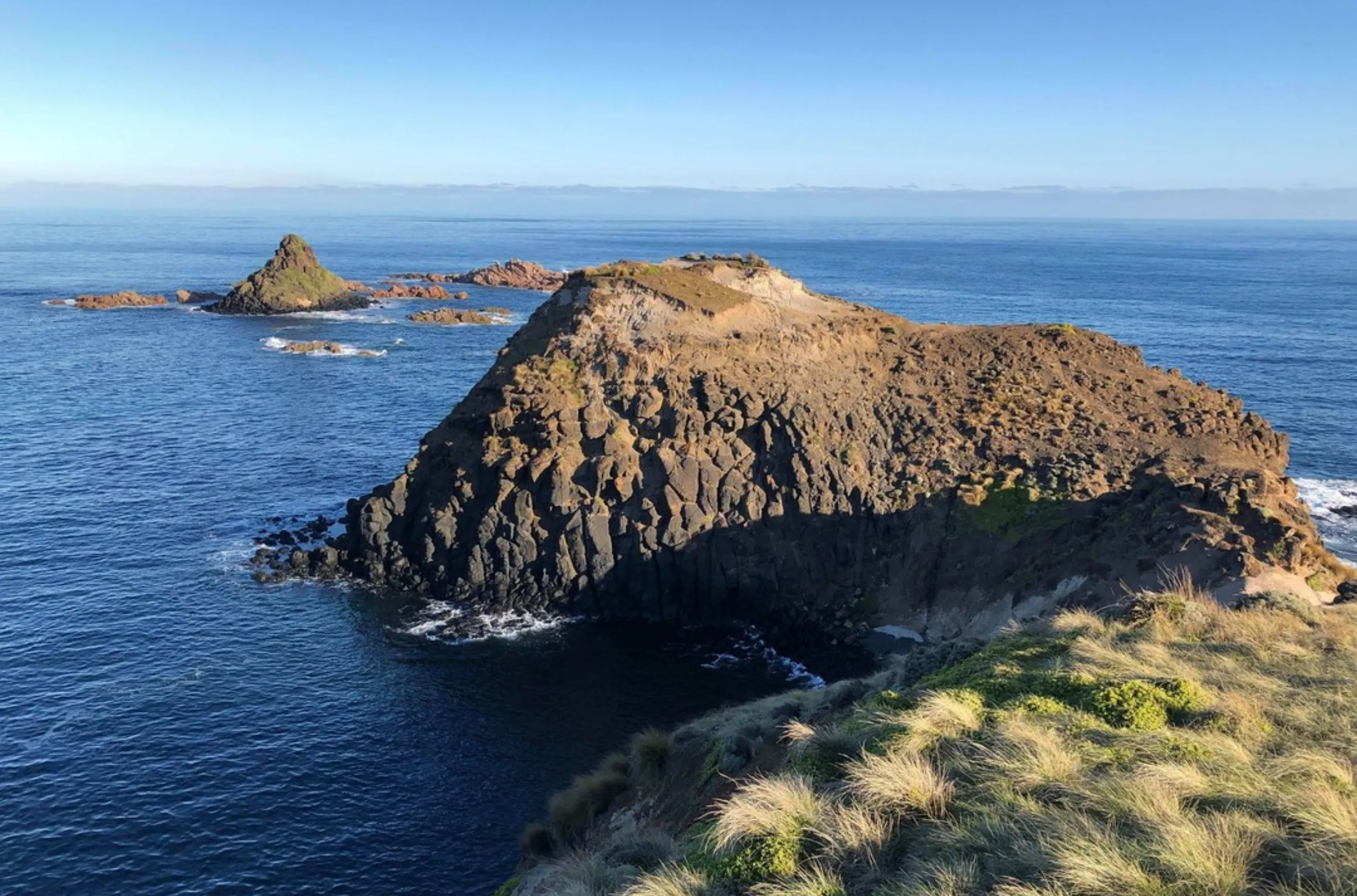
Phillip Island is exposed to strong winds due to its position between Western Port Bay and the Southern Ocean. This body of water brings cold base temperatures which affects the max temperature and has modest daily variations in weather. The cold air masses and liquid or liquid-equivalent precipitation from the ocean makes the winter months feel much colder.
Many Phillip Island tour showcase the island’s coastline but visitors should be prepared for chilly sea breezes especially when visiting Pyramid Rock and Cape Woolamai.
Winds, Temperature, Cloud Cover
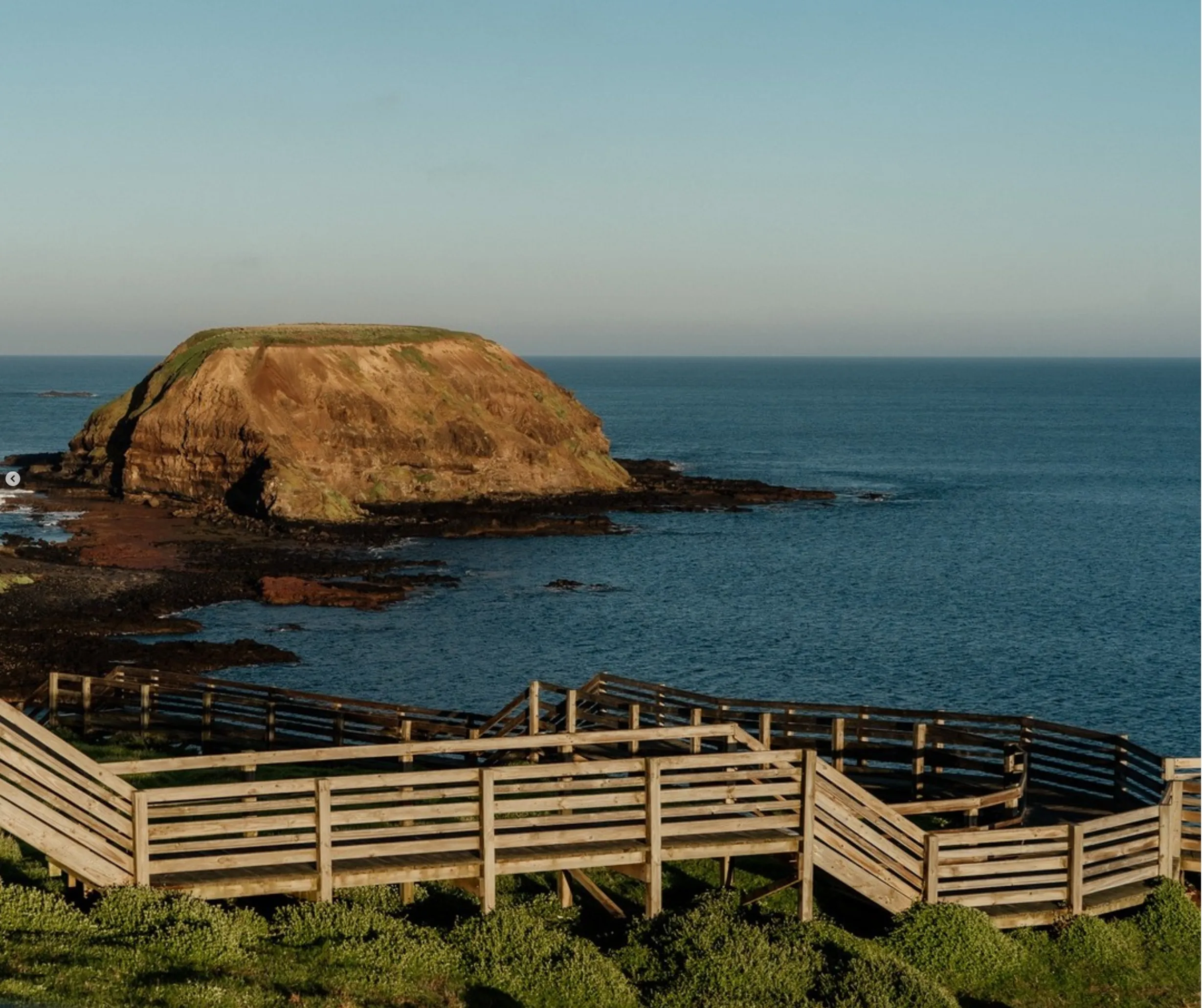
Phillip Island is known for its strong winds with an average wind speed that varies through the seasons. The cardinal wind directions, hourly wind speed and instant wind speed contribute to the busiest times when visitors feel cold. Hourly temperature changes also fluctuate so hourly weather reports are essential for planning.
Cloud Cover and Precipitation
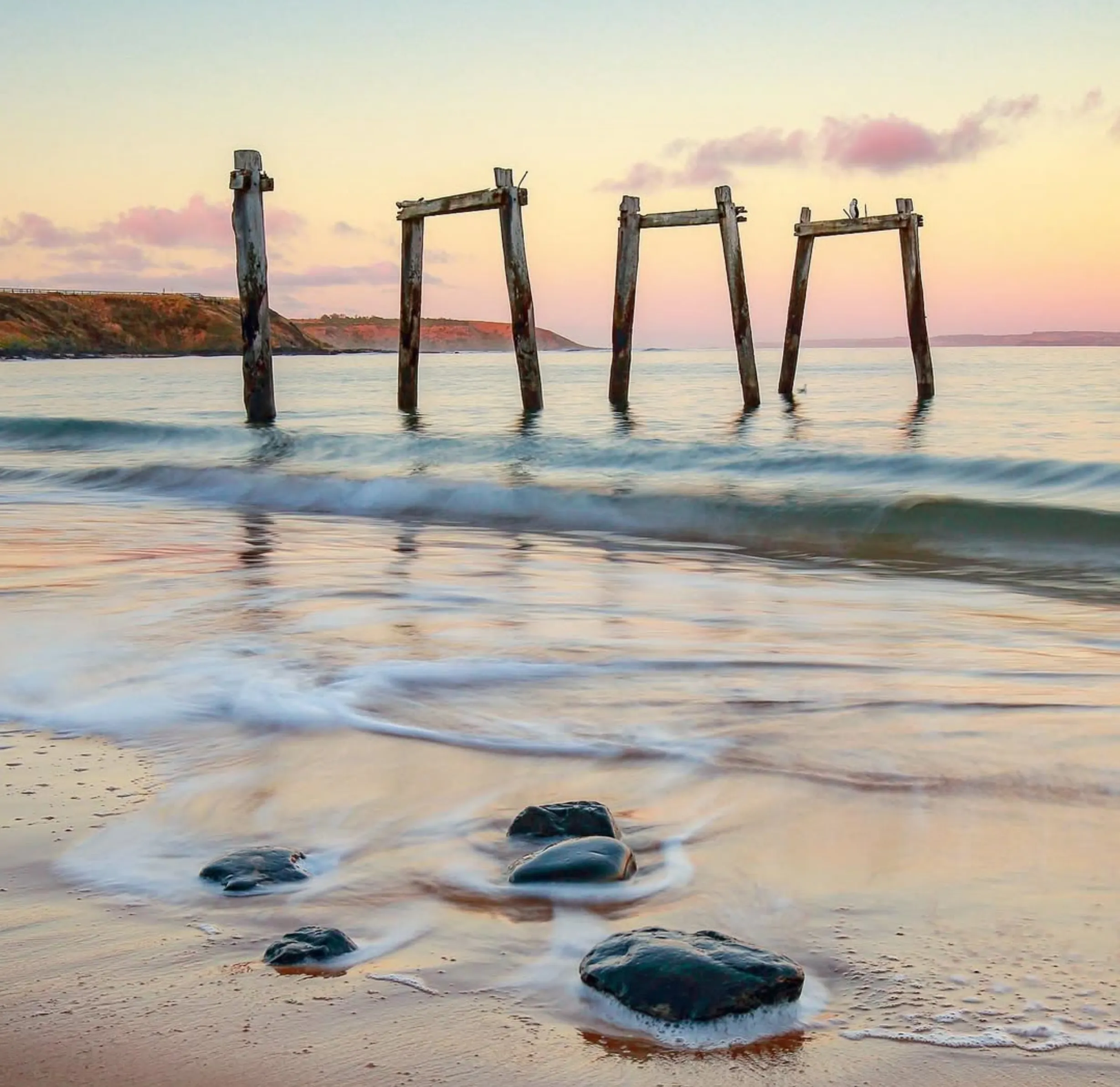
Due to the cloud cover band and black lines, blue lines, dotted lines, and gray lines in the weather models, Phillip Island is often overcast. The chance of precipitation and precipitation score is high all year round affecting Phillip Island Circuit, Ramada Resort, Holiday Houses around the island. Visitors booking tours Phillip Island should check the forecast before hand to avoid unexpected rain.
Weather History and Climate Patterns
Meteorological models and weather history from sources like Moorabbin Airport Aws and Jet Propulsion Laboratory show Phillip Island’s climate. The temperature distribution shows the coldest months are June, July, and August, with more muggy nights in the festive season in December and January.
If you’re after Phillip Island tours, the best time to visit is in spring and early summer when the weather is mild and the island is buzzing with events. Many Phillip Island attractions are better explored when the hourly temp is more stable so wildlife spotting at Phillip Island Nature Parks is more enjoyable.
Wildlife and Environmental Factors
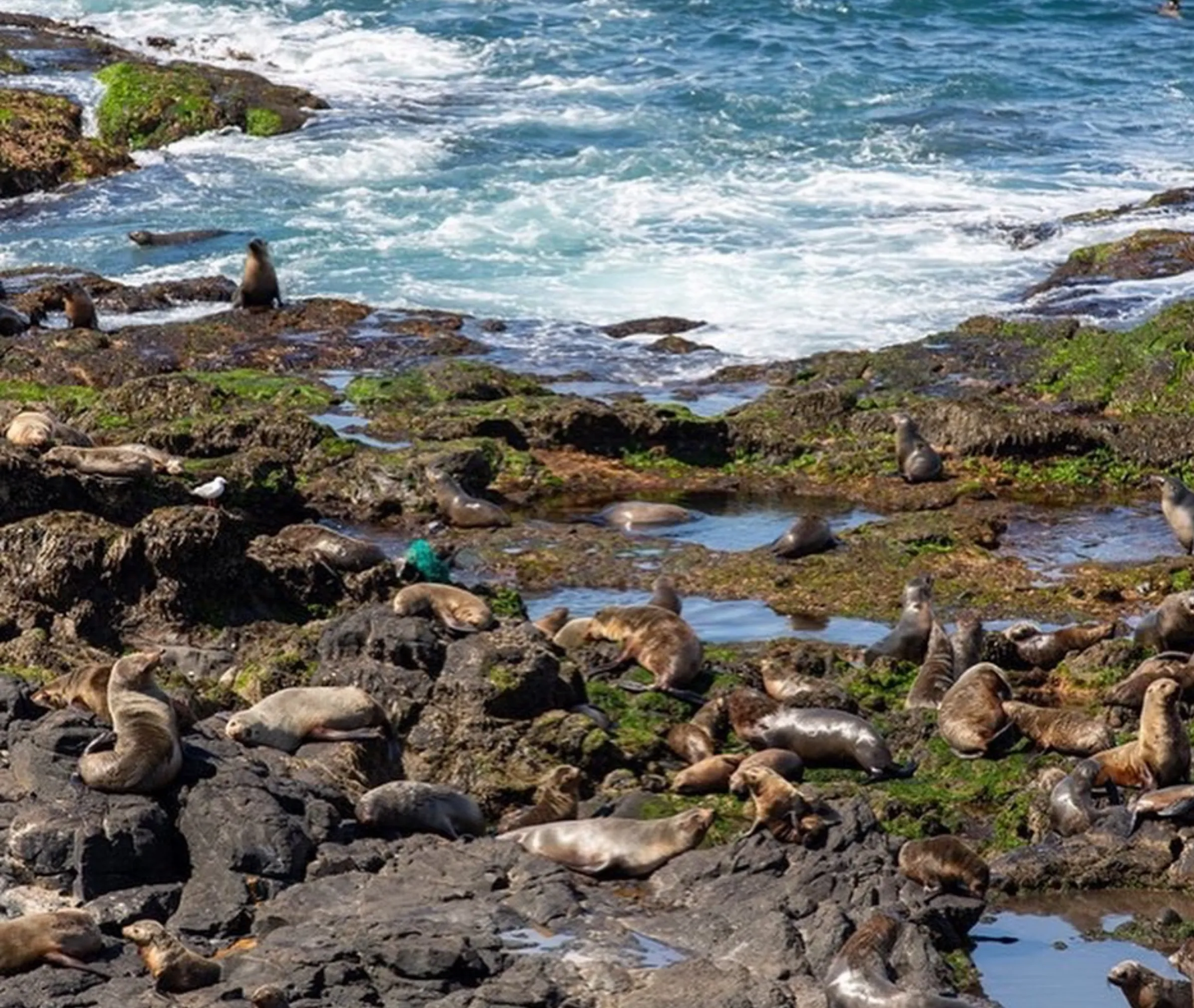
Despite the cold, Phillip Island has some of the biggest fur seal colonies at Seal Rocks, and migratory birds including Cape Barren Geese. The island’s geography makes it a perfect habitat for many bird species to thrive in the coastal views and sand dunes of South Coast and Churchill Island Marine National Park.
Marine and Coastal Attractions
The cooler weather doesn’t stop visitors from enjoying:
- Wildlife Coast Cruises – A great way to see fur seals and other Aussie wildlife.
- Phillip Island Winery – A place for delicious tapas and holiday treats.
- Churchill Island – A mini farming village with many events throughout the year.
- Phillip Island Circuit – Hosting big events like MotoGP, affected by coastal town weather.
Many Phillip Island tours combine coastal walks, wildlife encounters and historical sites so you can experience the best of the island while staying warm.
Best Times to Visit
Ideal Time for Visiting
The best time to visit depends on what you’re looking for:
- Summer months (Dec – Feb): Warmer but still cool due to sea breezes.
- Winter months (Jun – Aug): Coldest with most time in cooler conditions.
- Spring & Autumn: Moderate avg surface temp, good for beach games at Cowes Main Beach or Berries Beach.
How to Stay Warm
To make the most of your visit:
Layer up – The wind makes it feel colder than the base temp.
Check hourly history – Look for hourly averages to see 31 day trend.
Bring windproof clothes – Even a small compass bearing shift can cause a temp drop.
Stay indoors at cozy spots – Eat at San Remo or Phillip Island Winery.
Conclusion
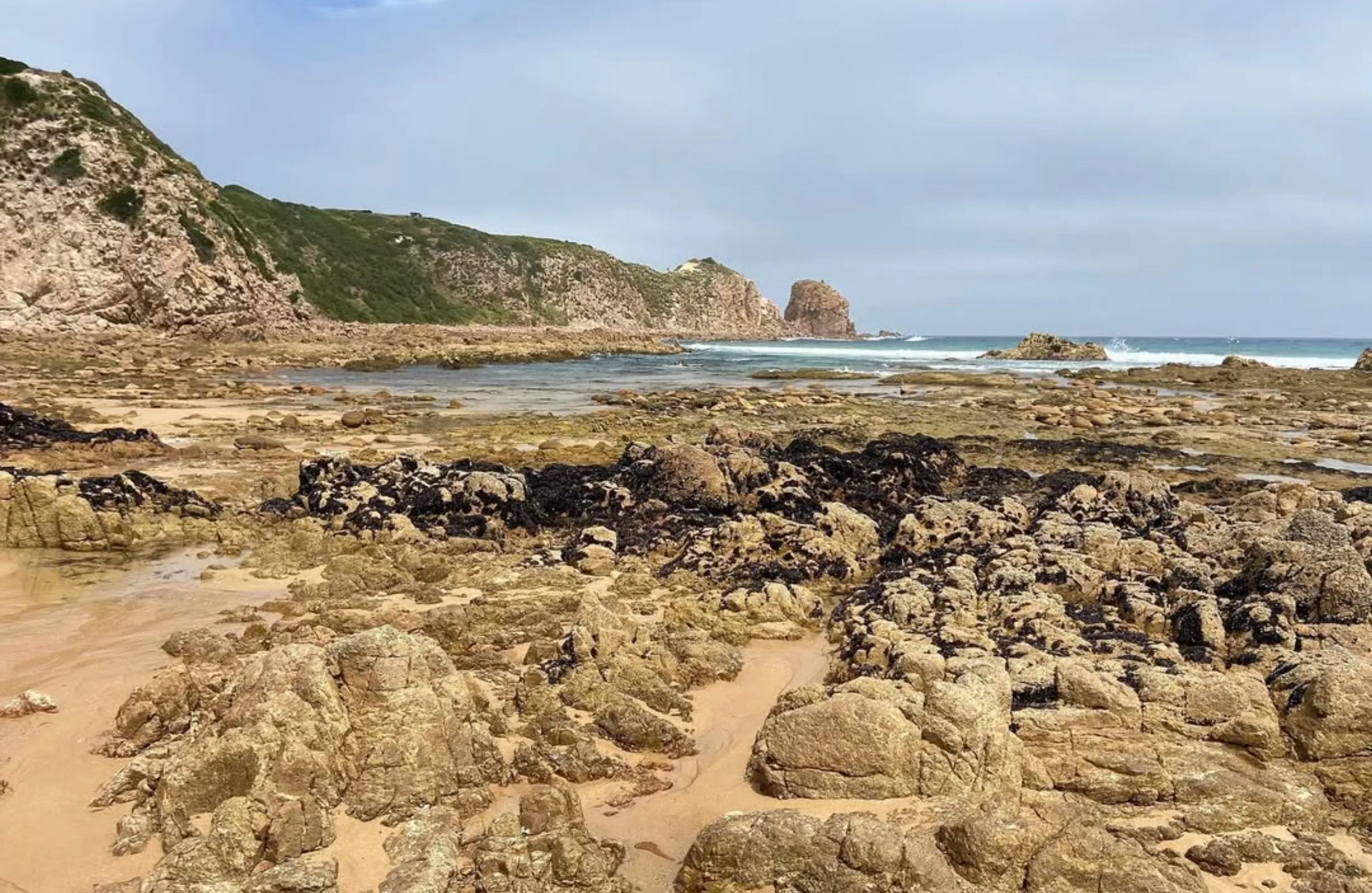
Phillip Island’s weather is influenced by body of water, co-ords and models that impact hourly temp, cloud cover and temp distribution. Whether you’re visiting at peak times, exploring holiday parks or attending list of events, keep an eye on the weather updates to stay comfortable.
From the South Coast to the views of Pyramid Rock, the island has a chilly and lovely climate. Whether you’re on Phillip Island tours or attractions Phillip Island has to offer, plan ahead and dress accordingly to make the most of your visit.
FAQs
What’s the coldest month?
June, July and August are the coldest months with temps around 6-10°C (43-50°F). Strong winds can make it feel even colder.
Why does Phillip Island feel colder than Melbourne?
Phillip Island is surrounded by water which affects the weather. Cold ocean currents, Western Port Bay and strong winds lower the base temp making it feel colder than mainland Vic.
What should I wear when visiting Phillip Island?
Even in summer bring a windproof jacket and layers. In winter pack warm clothes, gloves and a beanie if you visit Phillip Island Nature Parks or go on a Wildlife Coast Cruises tour.
Best time for a Phillip Island Tour?
The best time is in spring and early summer (Sept – Dec) when the weather is mild and wildlife like Penguin Parade and fur seals are more active.
Indoor attractions for colder days?
Yes! Visit Phillip Island Winery, Churchill Island Heritage Farm, or enjoy tapas at a local café. The Antarctic Journey at Nobbies Centre is also an indoor attraction.